Bringing Handmade Products to Life with the Graphite Pencil Font
There are moments in every maker’s workflow when everything clicks. You have the product ready—maybe a batch of soy candles, a stack of kraft paper tags, or a fresh set of printable wall art designs. But the final piece, the lettering, still feels flat. You try a few standard fonts, and nothing captures the warmth you imagined. That is exactly the moment I reached for Graphite Pencil, and suddenly the words on my labels looked like they had been sketched by hand, pencil on paper, full of texture and personality.
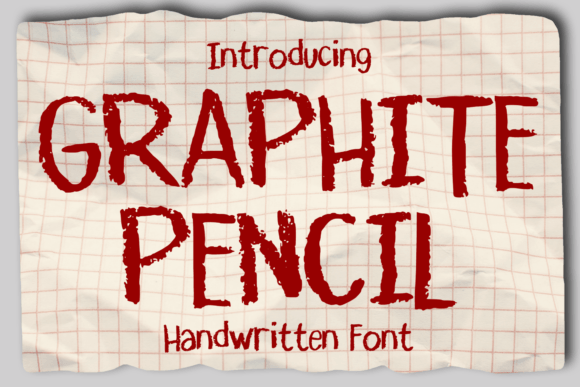
Graphite Pencil is a display font that mimics the genuine look of pencil on paper. Every letter carries a subtle, grainy texture that feels organic and tactile. It is not a sterile, perfectly vectorized typeface. It breathes. It has slight irregularities that make each character feel like it was drawn by a real hand, not a machine. For anyone creating physical products, that human touch is gold. It turns a simple product tag into something that feels personal, crafted, and worth picking up.
The First Test: Candle Labels That Feel Warm and Inviting
My first real test for Graphite Pencil was a set of candle labels for a small batch of farmhouse-style soy candles. I had been using a clean sans serif font for the scent names, but it felt too clinical for the rustic wooden lids and recycled paper labels. I swapped it out for Graphite Pencil, using a slightly larger size for the fragrance names like “Vanilla + Cedar” and “Smoked Birch.” The difference was immediate. The pencil texture gave the labels a hand-drawn, vintage feel that matched the natural, earthy branding I was going for. The lettering looked like it had been written with a soft graphite pencil on a worn notebook page. Customers who saw the candles in person often picked them up just to look at the label more closely. That kind of engagement is exactly what a small shop needs.
For candle labels, I found that keeping the text short works best. The font is a display font, meaning it shines in titles, names, and short phrases rather than long paragraphs. A single word or a short line becomes a visual anchor. It draws the eye and sets the mood before anyone even reads the fine print. I paired it with a simple, clean sans serif font for the safety warnings and net weight information, which kept the label readable and professional while still letting the handwritten charm of Graphite Pencil do the heavy lifting for the brand name.
Stickers, Tags, and Packaging: Adding Texture to Every Detail
Once I saw how well Graphite Pencil worked on candle labels, I started using it everywhere. Product tags for handmade soaps, small kraft paper stickers for thank-you notes, and even the little hang tags on tote bags all got the same hand-drawn treatment. The font’s pencil texture is especially striking when printed on uncoated or textured paper stock. The grain of the paper and the simulated graphite marks blend together, creating a look that is almost impossible to distinguish from real pencil lettering. For sticker sheets, I used Graphite Pencil for the main titles and decorative phrases, then layered them over simple botanical illustrations. The combination felt cohesive and artisanal, exactly the kind of aesthetic that resonates with buyers looking for something unique.
One thing I quickly learned is that the font performs best at medium to large sizes, especially when used on physical products like stickers and tags. At very small sizes, the pencil texture can become a bit dense, so I recommend testing it on your chosen material before committing to a large run. For Cricut and Silhouette users, Graphite Pencil works well for cutting words out of adhesive vinyl or heat transfer material. The letters are clear enough to weed easily, but the textured edges add a charming, slightly imperfect look that feels intentional. I used it for a set of farmhouse-style signs on reclaimed wood, and the final result looked like someone had hand-lettered the words with a real pencil, then sealed them with matte polyurethane. It was a huge hit at a local market.
Greeting Cards, Invitations, and Printable Wall Art
Graphite Pencil is a natural fit for paper goods. I designed a small collection of birthday cards and get-well-soon cards using the font for the main message, paired with a simple serif or script font for secondary text. The pencil texture gives the cards a nostalgic, handmade feel that is hard to replicate with digital tools. For wedding invitation suites, I used Graphite Pencil for the couple’s names and the main event headline, then switched to a clean serif for the details. The contrast between the textured display font and the refined serif created a beautiful balance—formal enough for a wedding, but warm and personal enough to feel like a true keepsake.
Printable wall art is another area where this font truly excels. I created a series of motivational quote prints, using Graphite Pencil for the main quote and a simple sans serif for the attribution. The pencil texture makes the words feel like they were written in a journal, which adds a layer of intimacy to the artwork. Customers often told me that the prints reminded them of handwritten notes from a friend. That emotional connection is exactly what drives repeat sales and word-of-mouth recommendations. For digital downloads, the font renders beautifully in PDF and JPEG formats, and the texture remains consistent across different screen resolutions and print settings.
Font Pairing and Production Tips
Like any good display font, Graphite Pencil benefits from thoughtful pairing. I have used it alongside a range of complementary typefaces, and the results have been consistently strong. A clean sans serif font like Montserrat or Open Sans provides a neutral, readable contrast that lets the pencil texture stand out without feeling busy. A simple serif font like Playfair Display or Lora adds a touch of elegance when paired with the casual handwritten feel of Graphite Pencil. For a more playful look, I have combined it with a light script font, using Graphite Pencil for the emphasis words and the script for flourishes. The key is to let the pencil font be the star in short, impactful phrases, while the secondary font handles the supporting text.
When designing for production, there are a few practical details to keep in mind. First, always check the font’s included styles and alternates. Graphite Pencil comes with a set of ligatures and alternate characters that can help you avoid repeated letter shapes, which is especially useful for longer titles or repeated words. Second, verify the file formats you receive. Most font downloads include OTF and TTF files, which work across both Mac and Windows systems. If you are using design software like Adobe Illustrator, Affinity Designer, or Canva, make sure the font is installed correctly and that your software supports OpenType features for accessing alternates and ligatures. For Cricut Design Space and Silhouette Studio, the font works as a standard system font, but you may need to use the character map to select alternates manually.
Multilingual support is another consideration. Graphite Pencil covers a range of Latin-based languages, which is useful if you sell to international customers or create products with multilingual labels. I have used it for French and Spanish wording on product tags without any issues. The character set is solid for most European languages, but it is always wise to test your specific text before finalizing a design.
Commercial Licensing and Selling Your Work
If you are a handmade seller or printable creator, commercial font licensing is not a detail to overlook. Graphite Pencil is a commercial font, which means you need the appropriate license to use it on products you sell, whether physical items like candles, shirts, and mugs, or digital products like templates, printables, and SVG-style designs. Always check the terms of the license you purchase. Some fonts allow unlimited commercial use, while others may require an extended license for certain applications, such as large-scale production or digital templates sold to customers. I make it a habit to read the license agreement carefully and keep a record of my purchase. This simple step protects your shop and ensures you are using the font ethically and legally.
For digital products like editable templates, planner pages, or printable wall art, the license typically covers the use of the font within the design file, but you may need to outline the font or convert it to a vector format before distributing the file to customers. This prevents the font from being extracted and reused by others. When I sell editable invitation templates, I always convert the text with Graphite Pencil to outlines or embed the font in the PDF, depending on the platform’s requirements. It takes an extra minute, but it keeps everything above board.
Why Graphite Pencil Stands Out for Makers
There are many handwritten fonts on the market, but Graphite Pencil occupies a unique space. It is not a smooth, polished script. It is not a rough, distressed grunge font. It sits right in the middle—clean enough to be readable, textured enough to feel real. That balance makes it incredibly versatile. I have used it for rustic farmhouse signs, minimalist wedding stationery, playful children’s birthday cards, and elegant boutique packaging. It adapts to the context because the pencil texture feels universal. Everyone has picked up a pencil and written something by hand. The font taps into that shared memory, and that is a powerful thing for a product designer.
For makers who sell at craft fairs, farmers’ markets, or online shops, the visual identity of your brand is often the first thing a customer notices. Graphite Pencil helps you create a consistent, recognizable look that feels authentic without requiring you to hand-letter every single item. You can use it across your entire product line—labels, tags, signage, social media graphics, and packaging—and everything will feel connected. That consistency builds trust and makes your shop look professional, even if you are working from a kitchen table.
If you are a printable creator, a stationery designer, a Cricut enthusiast, or a small-batch product maker, I encourage you to test Graphite Pencil on your next project. Start with something simple: a label, a card, a sign. See how it feels in your hands when you hold the finished piece. The pencil texture, the handmade vibe, the subtle imperfections—they all add up to something that feels real. And that is exactly what buyers are looking for.